
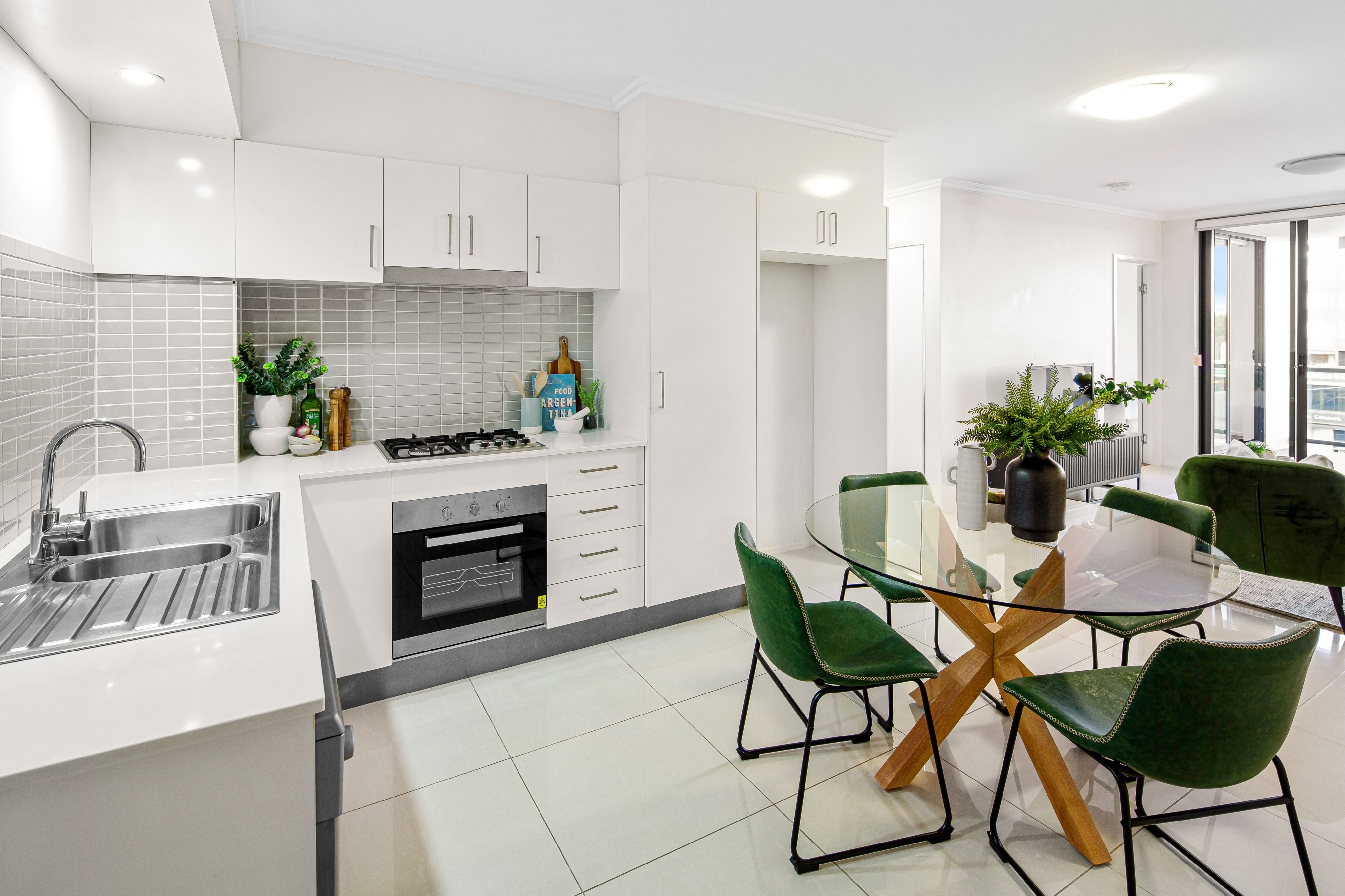
Quick Answer: In a renovated vs brand new comparison, the brand new unit usually costs more over 12 months, even after a move-in special. In our example, a $250 monthly rent gap shrinks to about $55 a month in year one once six weeks free and lower energy bills are counted. At renewal, the full gap comes back.
Renovated vs brand new is a real choice in Sherman right now. The city's population grew 20% between April 2020 and July 2025, according to the U.S. Census Bureau, and new communities have opened to meet that demand. The advertised rent rarely tells you what a year will cost. The District at Sherman is serving renters across Sherman and Grayson County, and you can explore the community here while you run the numbers below.
What to Look For: Renovated or Brand New in Sherman
Start with the total cost of the lease, not the monthly rent on the listing. A fair comparison adds rent, any move-in special, utilities, fees and the deposit, then checks what you'll pay in month 13. After that, compare what the money buys you: finishes, building systems, space and location.
Apartment upgrades worth paying for
A renovated apartment can mean anything from fresh paint to a full interior rebuild. Ask which items were replaced and when. The upgrades that change your monthly bills sit behind the walls and ceilings, like the HVAC system, water heater, windows and insulation. Quartz counters look great on a tour. They won't lower your electric bill in August.
Location is the other half of the value. Older communities usually sit on streets that are already built out, with groceries, schools and work nearby instead of still under construction.
What you pay for in new construction
A new construction apartment starts its life with everything new, from the roof to the plumbing. Modern apartment features such as smart locks, in-unit laundry and fitness rooms are common in new buildings, and their cost is built into the rent whether you use them or not. Before you sign anywhere, write down the features you'd actually use each week, then compare that list with a community's apartment and community amenities.
The security deposit and move-in cash
A security deposit is refundable, so it isn't a true cost of the lease. It still ties up cash on day one. Many deposits are set as a flat amount or tied to monthly rent, which means a higher-rent apartment can mean a bigger check before you get keys. Add application fees, admin fees and pet charges to see the real move-in number.
How Much Does a Brand New Apartment Cost Over 12 Months?
In most cases, a brand new apartment costs more over a full year, but less than the rent gap suggests. Lease-up specials and lower energy bills close part of the difference in year one. The example below uses round numbers for a 900-square-foot two-bedroom so you can swap in the quotes you actually get.
Move-in specials are unusually deep in 2026. As of August 2026, RealPage Market Analytics reported that 15.4% of stabilized U.S. apartments offered a concession, with an average discount of about 11% of rent. That's roughly 5.7 weeks free on a 12-month lease. Buildings still in lease-up often go further to fill units.
| Cost item (example 900 sq ft two-bedroom) | Renovated at $1,300/mo | Brand new at $1,550/mo |
|---|---|---|
| Rent, 12 months | $15,600 | $18,600 |
| Move-in special | None | Six weeks free ($2,146 off) |
| Energy, 12 months (EIA per sq ft averages) | $936 | $738 |
| Security deposit at move-in (refundable, one month assumed, not in total) | $1,300 | $1,550 |
| Rent in month 13, before any increase | $1,300 | $1,550 |
| Year-one total, 12 months (monthly equivalent) | $16,536 ($1,378/mo) | $17,192 ($1,433/mo) |
The $250 rent gap drops to about $55 a month in year one. That's exactly the number a lease-up special is built to show you. Now look at month 13. The special is used up, you're paying the full $1,550, and a renewal increase is usually calculated from that rate, not from your discounted average.
Month 13 and the true apartment lease cost
Ask the leasing office one direct question: what would my rent be at renewal if the market stayed flat? A unit priced without a big special usually renews close to what you already pay. A lease-up unit can jump by the full value of the special. Run our example for a second year with no specials and no increases, and the gap in total apartment lease cost grows from $656 to $3,458.
Building a realistic apartment budget
A common guideline keeps housing at or below 30% of gross income. The Census Bureau puts Sherman's median household income at $58,859 for 2020 to 2024, which works out to about $1,471 a month at 30%. At that level, the brand new example's month-13 rent already runs past the line. The renovated example leaves room for utilities, renter's insurance and savings.
Is an Energy Efficient Apartment Really Cheaper to Live In?
Yes, but the savings are smaller than most renters expect. In its 2020 survey, the U.S. Energy Information Administration found that homes built in 2016 or later averaged $0.82 per square foot in yearly energy costs, against $1.04 for all U.S. homes. On 900 square feet, that's about $198 a year, or $16.50 a month.
Those are national averages. North Texas summers lean hard on air conditioning, so your real numbers can run higher in both buildings. A renovated unit with a new HVAC system and updated windows can close most of that gap, while an older unit with original equipment can widen it.
Certification helps you tell the difference. ENERGY STAR certified apartments are built to be at least 10% more efficient than code, with about a 20% improvement on average. Ask whether a new building actually earned the label, and ask any community for average monthly utility costs by floor plan.
Frequently Asked Questions
1. Is a renovated apartment cheaper than a brand new one?
Usually, yes. Renovated units tend to rent for less each month, and the difference often outweighs the energy savings of newer construction. A large move-in special on a new building can narrow the gap for the first year, so compare the full 12-month total and the renewal rate before deciding.
2. Are move-in specials on new apartments worth it?
They can be, as long as you plan for the renewal. A special lowers your first-year average, but the lease is usually written at the full monthly rate. If that full rate doesn't fit your budget, the special only delays the problem by a year. Ask for the expected renewal rate in writing.
3. How much is a security deposit on an apartment?
It depends on the community and your application. Some charge a flat amount, while others set the deposit at up to one month's rent based on screening results. Ask for the exact amount before you apply, and confirm in writing which charges are refundable and which are one-time fees.
4. What should I check before renting a renovated apartment?
- The year the HVAC system and water heater were replaced
- Whether windows and insulation were part of the renovation
- Average monthly utility costs for that floor plan
- How maintenance requests are submitted and how fast they're handled
5. Do new apartments have lower utility bills?
On average, yes. Federal energy survey data shows homes built in 2016 or later cost less to power per square foot than older homes. The gap is modest, though, around $16 a month on a 900-square-foot unit using national averages, and a well-renovated older unit can match it.
Choosing Between Renovated and Brand New in Sherman
Price the whole lease, then price month 13. A new building's special can make year one look close, but the full rent arrives at renewal, and energy savings of about $16 a month won't cover a $250 rent gap. If you're weighing options in Sherman, browse the 1, 2 and 3 bedroom floor plans, ask the leasing team for current pricing, and check directions to Archer Circle to see how the commute fits. Run the same math on every option, and the renovated vs brand new decision gets much easier.